Rapid Screen Info
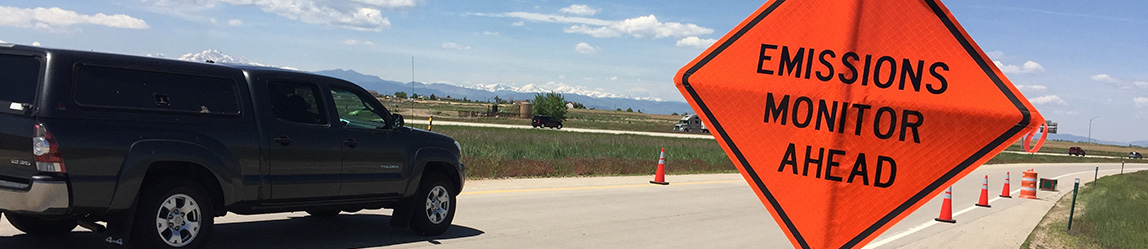
RapidScreen roadside data collection units (either housed in white vans or small green boxes) collect emissions-related data as vehicles are driven by them. This data is used to identify exceptionally-clean vehicles. It is matched to vehicle registration records maintained by the home county and enables tens of thousands of motorists to skip their regular inspection at an Air Care Colorado facility. The units are set up most days at pre-determined, state-approved sites throughout the Denver-metropolitan area and North Front Range area. They are rotated regularly to collect data from as many vehicles as possible. Select the links below to find out where units will be located in the current and upcoming weeks.
To qualify for RapidScreen, a vehicle must record two clean readings within the last 14 months and at least 60 days prior to the vehicle's registration renewal month. For example, if your vehicle's registration month is July, the two clean readings must occur between May 1 of the previous year and May 1 of the renewal year.
Note: Sites vary from week to week. Data collection occurs between 5:30 a.m. and 7 p.m. (weather permitting).
Rain, snow, high winds and other adverse weather conditions may delay or postpone data collection with sites shutting down early and/or entirely on affected day.